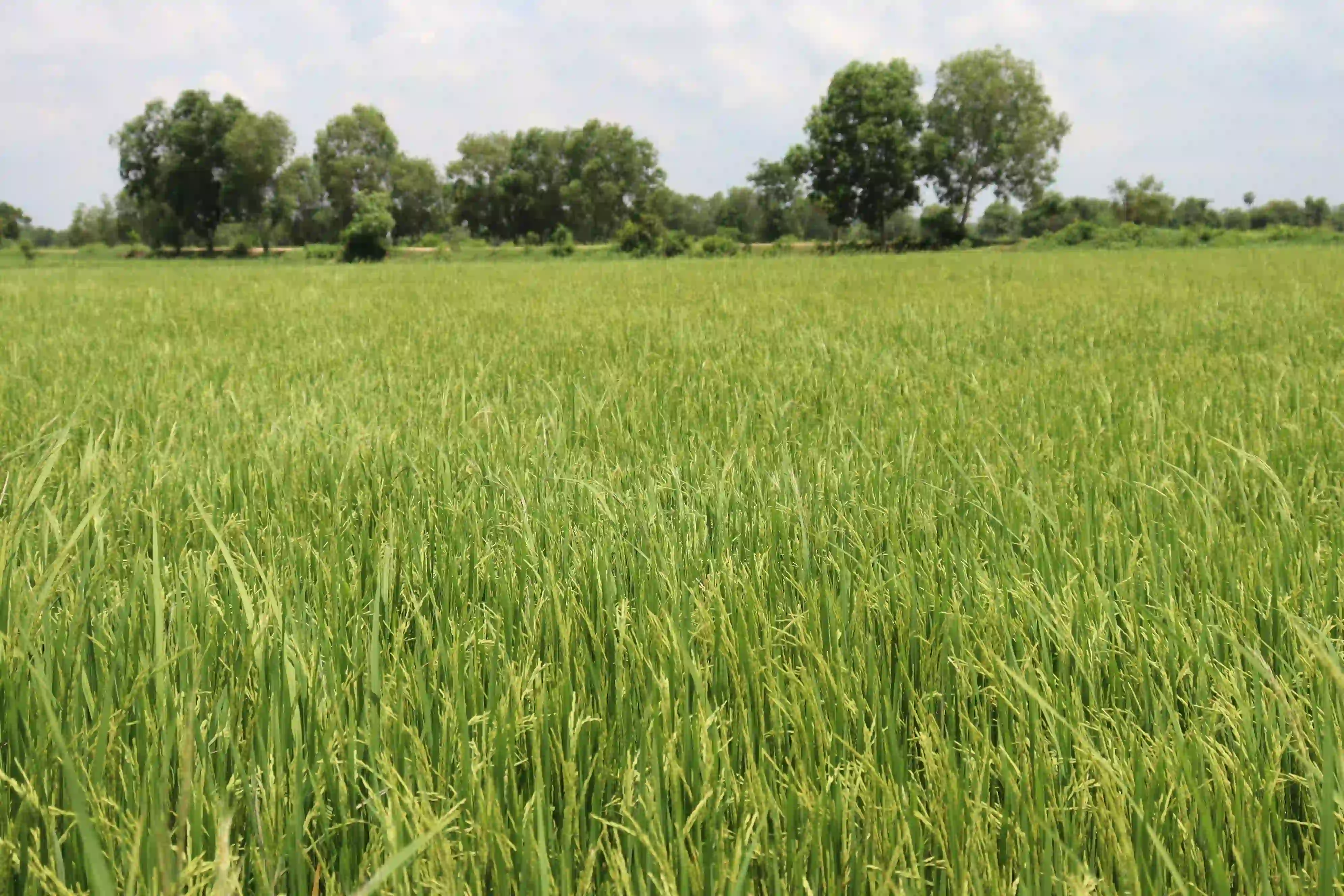
From Paddies to Profits: Unlocking Carbon Credits with Smart AWD Irrigation
Chalatex Admin
Author
For generations, rice farming in Cambodia has followed a familiar rhythm: plant the seeds, flood the fields, and wait for the harvest. But a new agricultural revolution is taking place—one that turns water management into a new stream of income.
As the world races to combat climate change, international markets are looking for ways to reduce greenhouse gas emissions. Surprisingly, the solution lies in the rice paddies of Southeast Asia, specifically through a technique called Alternate Wetting and Drying (AWD).
Here is how smart irrigation is helping farmers save water, increase yields, and tap into the booming voluntary carbon credit market.
The Hidden Cost of Flooded Rice
Rice is the staple of life in Cambodia, but traditional farming comes with an environmental cost. When rice fields are continuously flooded, the soil becomes anaerobic (lacking oxygen). This environment allows bacteria to break down organic matter, releasing methane—a greenhouse gas over 25 times more potent than carbon dioxide.
Global rice cultivation is responsible for roughly 10% of global methane emissions. For environmentally conscious corporations and governments, reducing this number is a top priority.
What is AWD (Alternate Wetting and Drying)?
AWD is a water management technique where rice fields are not kept continuously submerged. Instead, farmers allow the water level to drop below the soil surface (usually 15cm) before irrigating again.
This simple act of letting the soil "breathe" introduces oxygen, which stops the methane-producing bacteria from working.
Turning Water Savings into Carbon Credits
This is where the financial opportunity arises. By practicing AWD, a farmer can reduce methane emissions by up to 50%.
In the carbon market, one metric ton of reduced CO2-equivalent emissions equals one Carbon Credit. Companies (like airlines or tech giants) buy these credits to offset their own carbon footprint.
However, selling these credits requires three steps:
- Practice: Implementing AWD correctly.
- Measurement: Proving that the water levels actually dropped.
- Verification: Having a third party confirm the data is real.
The Challenge: The "Trust Gap" in Verification
Historically, getting carbon credits for rice was difficult. How does a buyer in Europe know that a farmer in Battambang actually lowered their water levels?
Manual record-keeping (paper logs) is unreliable, expensive to audit, and prone to errors. This "verification cost" often ate up all the profits, leaving little money for the farmer.
How IoT Sensors Change the Game
This is why technologies like ChalatTube are revolutionizing the industry. By using IoT-based water level sensors, we replace manual guesswork with digital proof.
- Real-Time Monitoring: The sensor tracks water levels 24/7.
- Immutable Data: The data is uploaded to the cloud immediately, creating a transparent record that carbon verifiers trust.
- Automated MRV: Digital Measurement, Reporting, and Verification (MRV) lowers the cost of certification, meaning a larger share of the carbon revenue goes directly to the farming community.
The Triple Win for Cambodian Farmers
Adopting Smart AWD isn't just about saving the planet; it is about farm profitability.
- 1. Reduced Pumping Costs: AWD reduces water usage by up to 30%. Less water pumped means less fuel or electricity used.
- 2. Increased Yields: Letting the soil dry periodically strengthens the rice roots, making them more resistant to lodging (falling over) and improving nutrient absorption.
- 3. New Revenue Streams: Carbon credits provide a secondary income source on top of the rice harvest.
Conclusion
Agriculture is moving into a data-driven era. At Chalatex, we believe that Cambodian farmers should be at the forefront of this shift. By combining traditional farming wisdom with modern IoT tools like ChalatTube, we aren't just growing rice—we are growing a more sustainable and profitable future.
Ready to modernize your farm?
Learn how ChalatTube can help you implement AWD and prepare your farm for the future of green finance. Contact Us Today
Written by Chalatex Admin
Content contributor for Chalatex. Follow our updates for the latest in AgriTech innovation.
You might also like
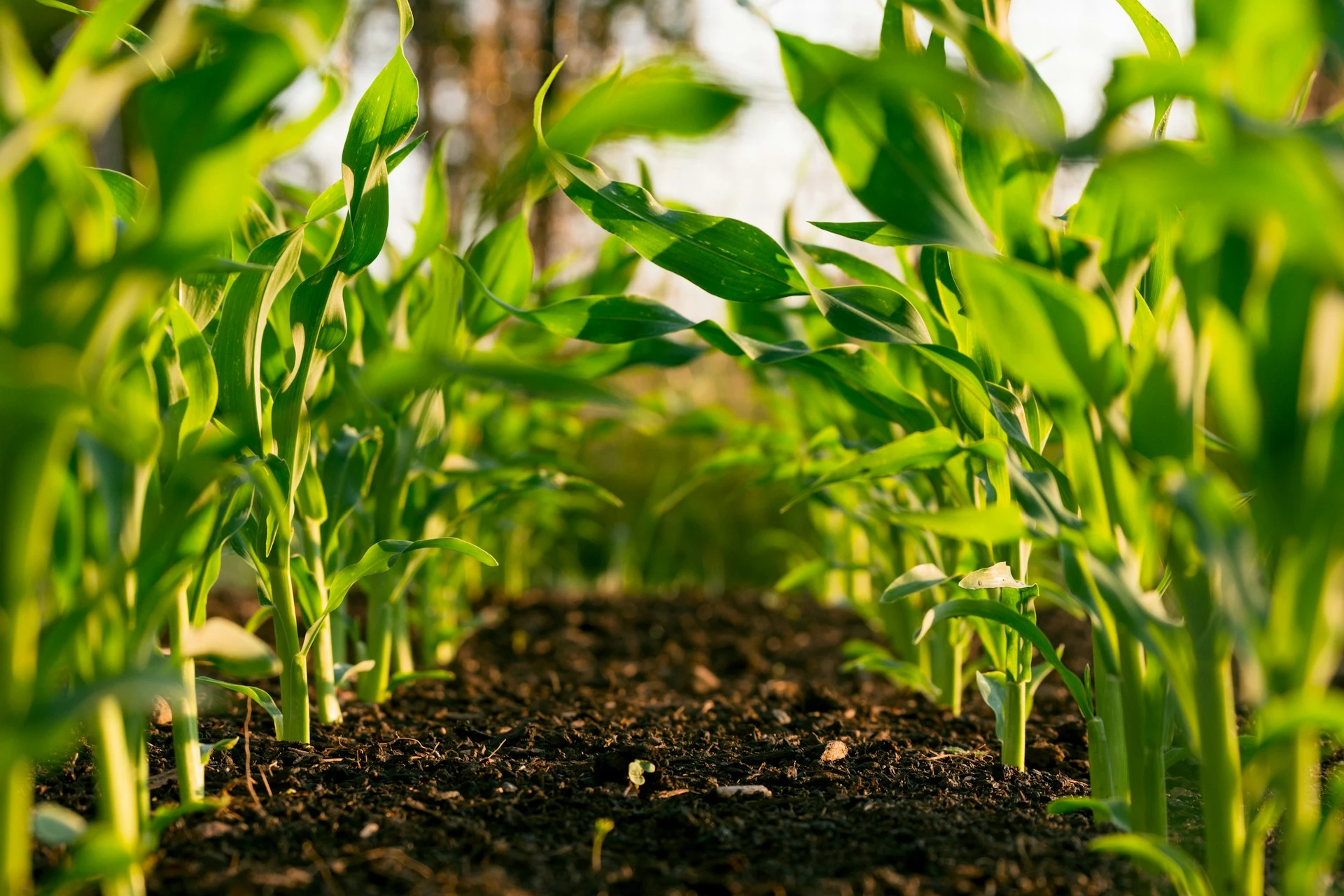
Understanding NPK: How the "Big Three" Nutrients Define Soil Health
Nitrogen, Phosphorus, and Potassium (NPK) are the essential building blocks of plant growth. Learn how these three macronutrients determine soil fertility and why balancing them is the key to a successful harvest.
Read More →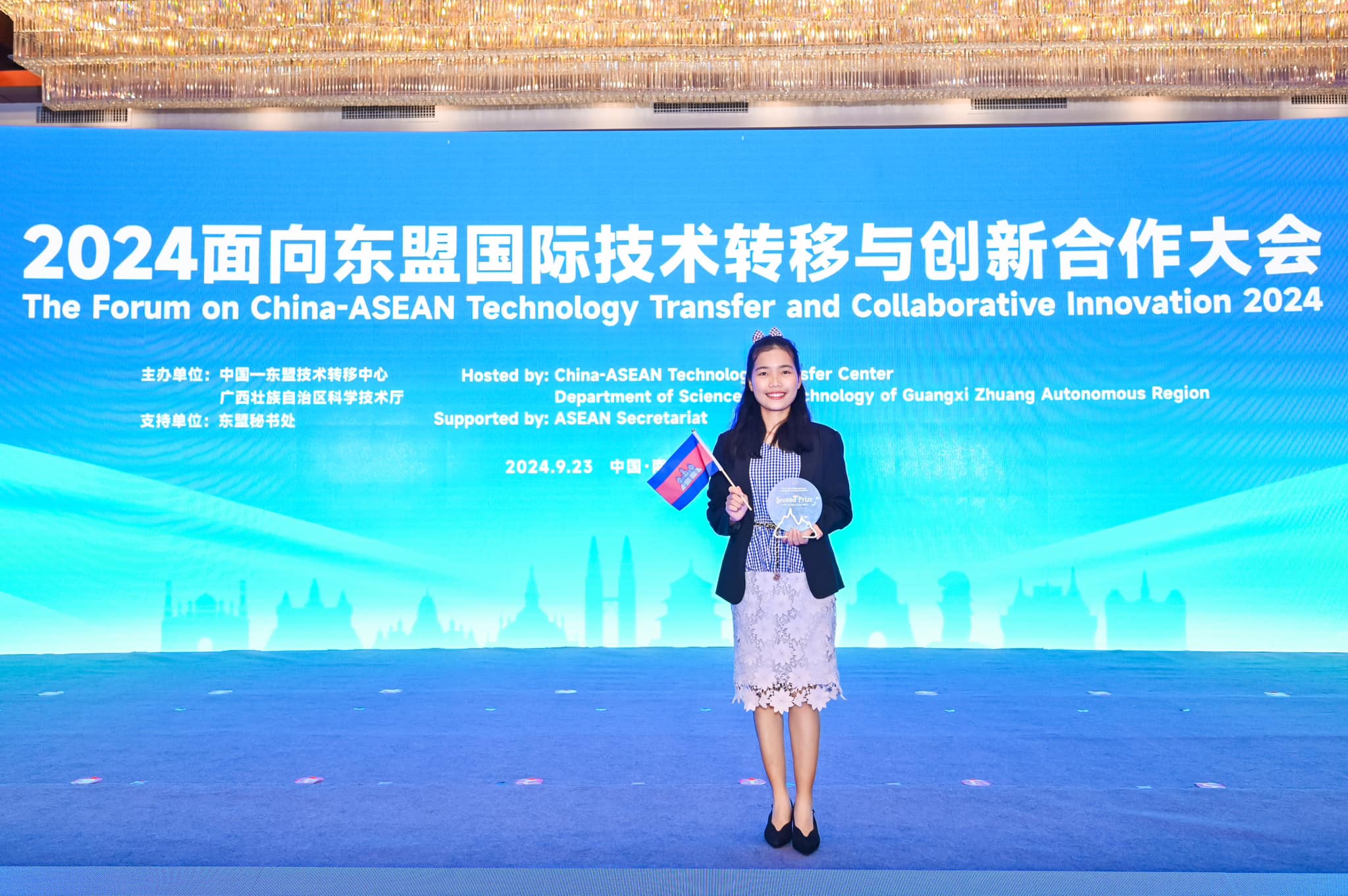
Chalatex Wins 2nd Prize at the 2nd China-ASEAN Innovation and Entrepreneurship Competition
Chalatex proudly received the 2nd Prize at the 2nd China-ASEAN Innovation and Entrepreneurship Competition, marking a major milestone for Cambodian AgriTech innovation on the international stage.
Read More →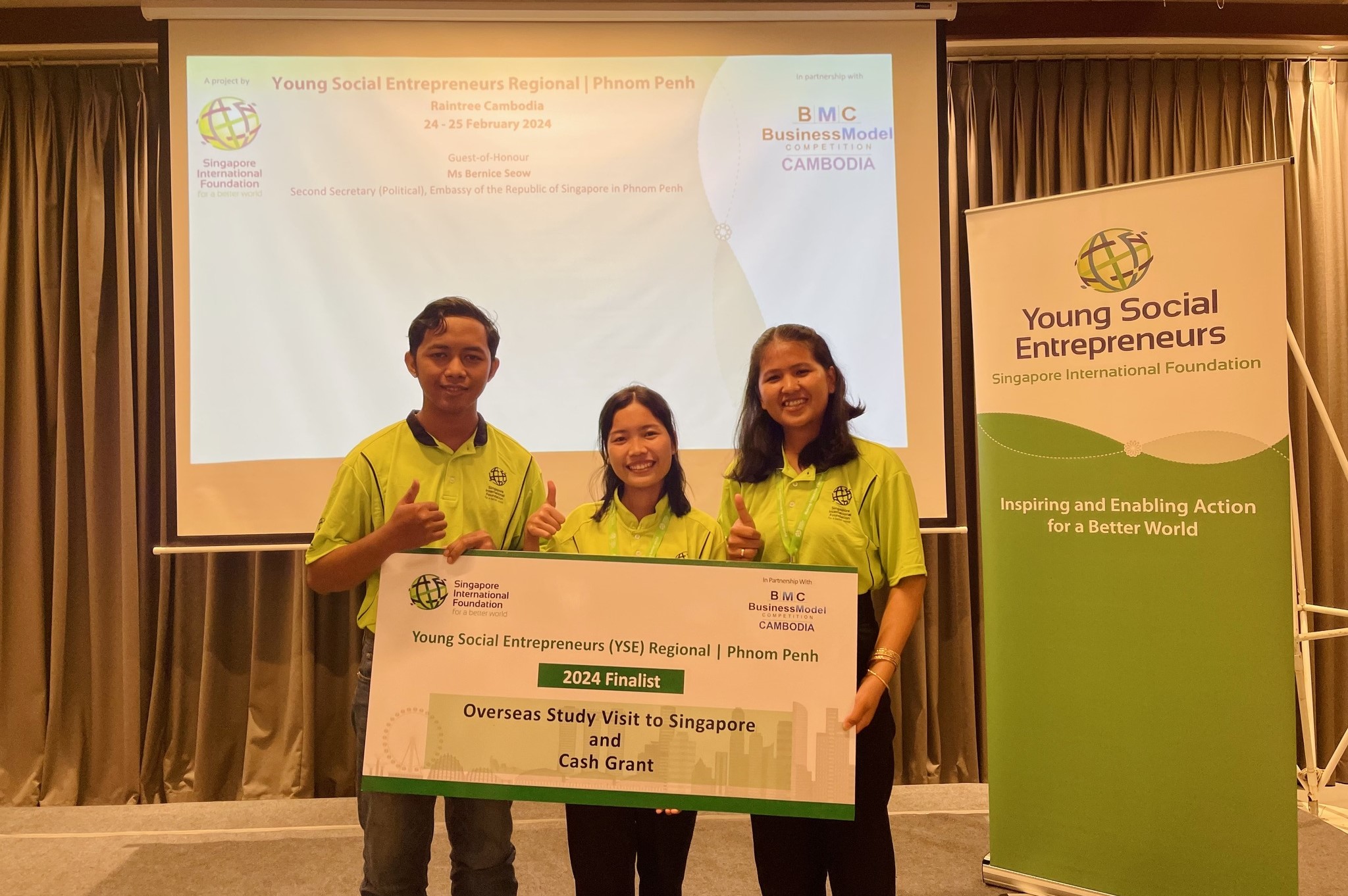
Chalatex Named Top 3 Winner at Young Social Entrepreneurs (YSE) Phnom Penh 2024
Chalatex has been recognized as one of the Top 3 winners at the Young Social Entrepreneurs (YSE) Regional Phnom Penh 2024, highlighting our commitment to social impact through AgriTech innovation.
Read More →