Understanding NPK: How the "Big Three" Nutrients Define Soil Health
Chalatex Admin
Author
The Alphabet of Agriculture
When you look at a bag of fertilizer, you almost always see three numbers separated by dashes (e.g., 15-15-15 or 46-0-0). These numbers stand for Nitrogen (N), Phosphorus (P), and Potassium (K). Together, they are known as NPK, and they are the primary macronutrients that define the productive potential of your soil.
Just as humans need protein, carbohydrates, and fats, plants rely on NPK to support different stages of their life cycle. Understanding the specific role of each nutrient is the first step toward precision agriculture.
Nitrogen (N): The Leaf Builder
Nitrogen is largely responsible for the growth of leaves and stems. It is a major component of chlorophyll, the compound that plants use to use sunlight to produce sugars from water and carbon dioxide (photosynthesis).
- Deficiency: Plants look pale or yellowish (chlorosis) and have stunted growth.
- Excess: Can lead to excessive leafy growth at the expense of fruit or flowers, and can make the plant more susceptible to pests.
Phosphorus (P): The Energy Booster
Phosphorus is crucial for the development of roots, flowers, seeds, and fruit. It plays a vital role in energy transfer within the plant (ATP) and genetic transfer (DNA).
- Deficiency: Leaves may turn purple or dark green; root systems remain underdeveloped, leading to poor yield.
- Importance: It is especially critical during the early stages of plant growth to establish a strong root network.
Potassium (K): The Health Defender
Potassium is often called the "quality" nutrient. It regulates the opening and closing of stomata (pores), which controls water loss and gas exchange. It triggers the activation of enzymes and is essential for protein synthesis.
- Deficiency: Edges of older leaves may look scorched or brown; plants have weak stems and low resistance to drought or disease.
- Role: It helps plants resist stress from extreme weather, pests, and diseases.
Defining Your Soil's Potential
Soil isn't just "dirt"—it is a living ecosystem defined by its chemical balance. Testing your soil to determine its current NPK levels is essential before planting. By understanding what your soil lacks, you can apply the exact amount of fertilizer needed, reducing waste and protecting the environment from runoff.
At Chalatex, we believe that smart farming starts from the ground up. Whether you are managing a small vegetable plot or a large rice paddy, maintaining the right NPK balance is the blueprint for a healthy, profitable harvest.
Written by Chalatex Admin
Content contributor for Chalatex. Follow our updates for the latest in AgriTech innovation.
You might also like
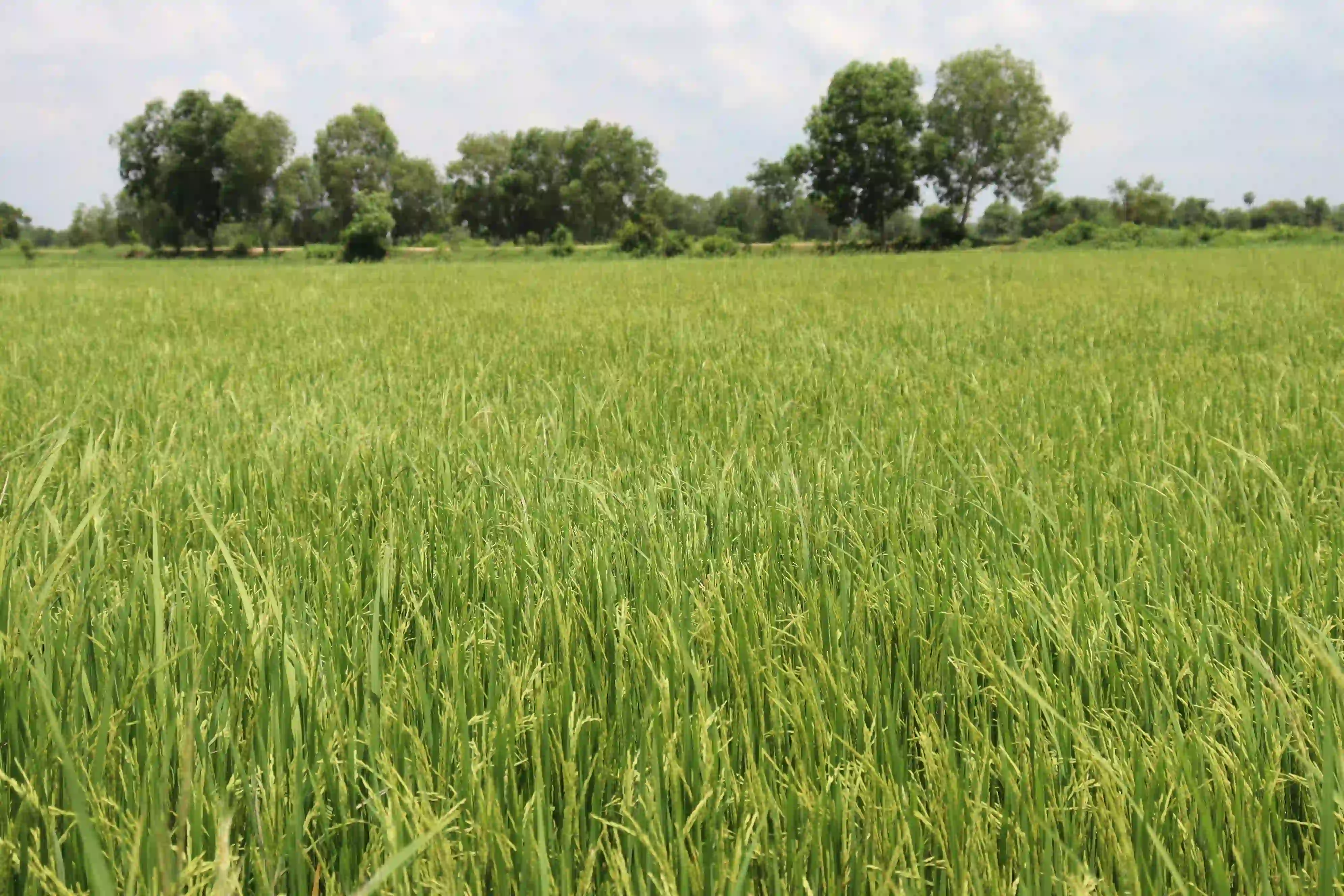
From Paddies to Profits: Unlocking Carbon Credits with Smart AWD Irrigation
Rice farming is changing. By adopting Alternate Wetting and Drying (AWD), Cambodian farmers can cut water use by 30%, boost yields, and earn extra income through carbon finance. Read how technology makes it possible.
Read More →
Chalatex Wins 2nd Prize at the 2nd China-ASEAN Innovation and Entrepreneurship Competition
Chalatex proudly received the 2nd Prize at the 2nd China-ASEAN Innovation and Entrepreneurship Competition, marking a major milestone for Cambodian AgriTech innovation on the international stage.
Read More →
Chalatex Named Top 3 Winner at Young Social Entrepreneurs (YSE) Phnom Penh 2024
Chalatex has been recognized as one of the Top 3 winners at the Young Social Entrepreneurs (YSE) Regional Phnom Penh 2024, highlighting our commitment to social impact through AgriTech innovation.
Read More →